


5 Facts About Women in STEAM: Why Inclusive Education Matters in Europe
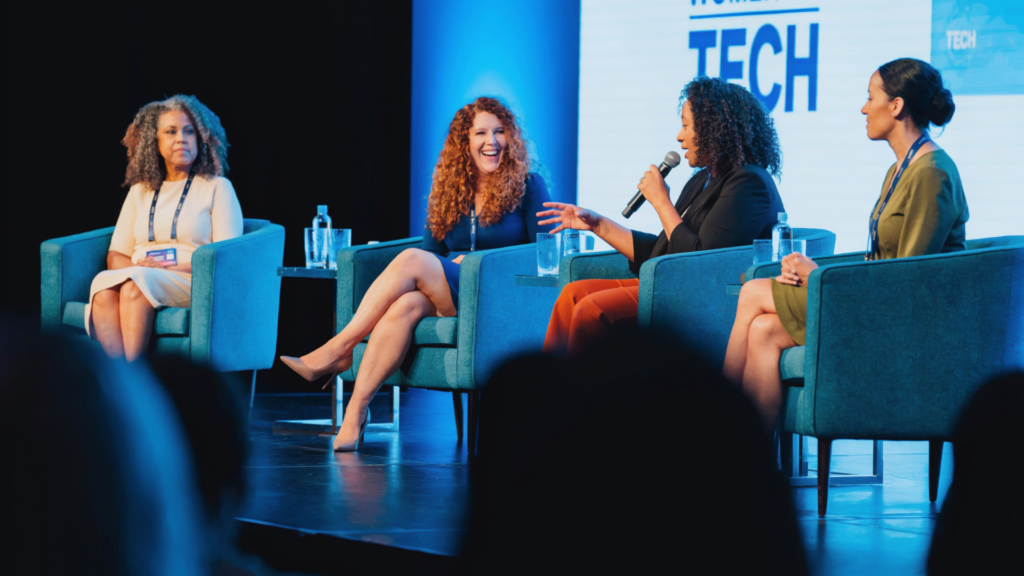
Women in STEAM are shaping the future of science, technology and innovation across Europe. Yet significant gender gaps remain in education, research and professional careers. What do the latest European figures tell us, and how can more inclusive STEAM education help make a difference? Gender equality in Science, Technology, Engineering and Mathematics (STEM) is not simply a question of how many women enter these fields. It is also about the opportunities, expectations and learning environments that influence young people’s confidence, interests and sense of belonging. For women in STEAM, those opportunities are often shaped long before they enter higher education or the workforce. Across Europe, researchers, educators and policymakers are looking beyond participation figures to understand the barriers that contribute to gender inequalities. Looking at women in STEAM through five evidence-based facts helps explain both the scale of the challenge and the opportunities for change — including the approaches explored by STEAMbrace and STREAM IT, which integrate Arts into scientific and technological learning. 1. Women represent more than half of tertiary students, but less than a third of STEM students According to the European Commission’s STEM Education Strategic Plan, women accounted for 53.7% of all students enrolled in tertiary education in the EU in 2022, but only 30.9% of students enrolled in STEM fields. This difference illustrates a persistent imbalance in educational pathways. Although women participate extensively in higher education, their representation varies considerably across disciplines. These European figures refer specifically to STEM fields, rather than the wider interdisciplinary concept of STEAM. The European Commission also highlights how societal expectations and gender stereotypes can influence students’ academic choices and career aspirations long before they reach university. Supporting women in STEAM therefore begins with creating opportunities to explore science and technology without being limited by those expectations. Why does it matter? Encouraging girls to explore scientific and technological subjects requires more than expanding access. It also means creating learning environments where everyone can discover their interests without being constrained by gender stereotypes. 2. Only 19.5% of ICT specialists in the EU are women Gender inequalities do not end when students finish their education. According to Eurostat’s figures on ICT employment, women represented just 19.5% of employed ICT specialists in the European Union in 2025. The imbalance is also visible in advanced research. The European Commission’s She Figures 2024 reports that women account for only 22% of doctoral graduates in Information and Communication Technologies (ICT), compared with 48% of doctoral graduates across all fields. These figures highlight the importance of considering the entire pathway for women in STEAM, from early interest in particular subjects to research, employment and leadership opportunities. Why does it matter? Improving gender balance requires sustained support, inclusive institutions and opportunities for women to develop and progress throughout their careers. 3. How Early Gender Stereotypes Shape Opportunities for Women in STEAM The gender gap is not necessarily a reflection of differences in talent or potential. Educa tional experiences, social expectations and access to opportunities also matter. Research conducted by the Horizon Europe-funded STREAM IT project, presented in its policy brief on gender-inclusive STEAM education, identifies persistent barriers to girls’ and women’s participation in STEM. These include gender stereotypes, limited visibility of female role models and institutional environments that do not always encourage equal participation. The project highlights the importance of gender-responsive teaching practices, supportive educational communities and greater visibility of women working in scientific and technological fields. Supporting women in STEAM means challenging these assumptions early, particularly during adolescence, when students begin making decisions about their academic and professional futures. Why does it matter? Challenging stereotypes can help students explore a wider range of possibilities and develop a stronger sense of belonging in STEAM. 4. Practical experiences and female role models can strengthen girls’ confidence How can educational programmes help young women recognise their potential in STEM? STREAM IT has explored this question through practical activities, mentoring opportunities and direct engagement with female professionals. According to the project’s published impact assessment findings, the proportion of girls who felt very or extremely confident about pursuing a STEM career increased from 31.7% before the Talent Nurturing Programmes to 45.9% afterwards. Participants also highlighted the value of hands-on learning, meeting professionals working in STEM and developing supportive relationships with other young people. These experiences may help shape future pathways for women in STEAM by showing girls that scientific and technological careers are realistic possibilities. Why does it matter? Confidence and a sense of belonging can be important foundations for encouraging continued participation in STEAM education. 5. Inclusive STEAM activities can help change how students perceive science and technology Creating more opportunities for women in STEAM is also central to STEAMbrace, a Horizon Europe project working to reduce gender gaps through innovative, interdisciplinary STEAM education. An initial cross-cultural study involved 3,556 students aged 11–18 across seven European countries, helping the project identify students’ interests, perceptions and challenges in STEAM education. Its findings are documented in the project’s publicly available deliverables. Building on this research, STEAMbrace has developed practical educational activities designed to combine scientific and technological knowledge with creativity, collaboration and real-world problem-solving. The project’s subsequent evaluation has produced encouraging findings. As highlighted in STEAMbrace’s recent update on educational impact, following participation in STEAMbrace activities, the proportion of evaluated students who considered STEAM very useful or absolutely useful increased from 27% to 43%. These findings suggest that inclusive, hands-on approaches offer promising opportunities to improve students’ relationships with STEAM subjects. For educators hoping to support women in STEAM over the longer term, the results reinforce the value of engaging students through practical, inclusive learning experiences. Continued evaluation remains important to understand the activities’ lasting effects. Why does it matter? When students have opportunities to experience science, technology and creativity together, they can discover new interests, develop practical skills and explore fields they may not previously have considered. From Evidence to Action: Creating More Opportunities for Women in STEAM These five facts highlight a shared challenge: advancing gender equality requires action at different levels,