For years, STEM (science, technology, engineering, and mathematics) has been a powerful framework for preparing students to navigate a digital, tech-driven world. But in today’s evolving society, creativity, empathy, and critical thinking are just as vital as coding and calculus. That’s why educators, researchers, and policymakers across Europe are increasingly advocating for STEAM education, a model that integrates the Arts into STEM.
By adding the “A” for Arts, STEAM creates space for imagination, diversity of thought, and a more inclusive learning environment. And this shift couldn’t be more timely.
What is STEAM education?
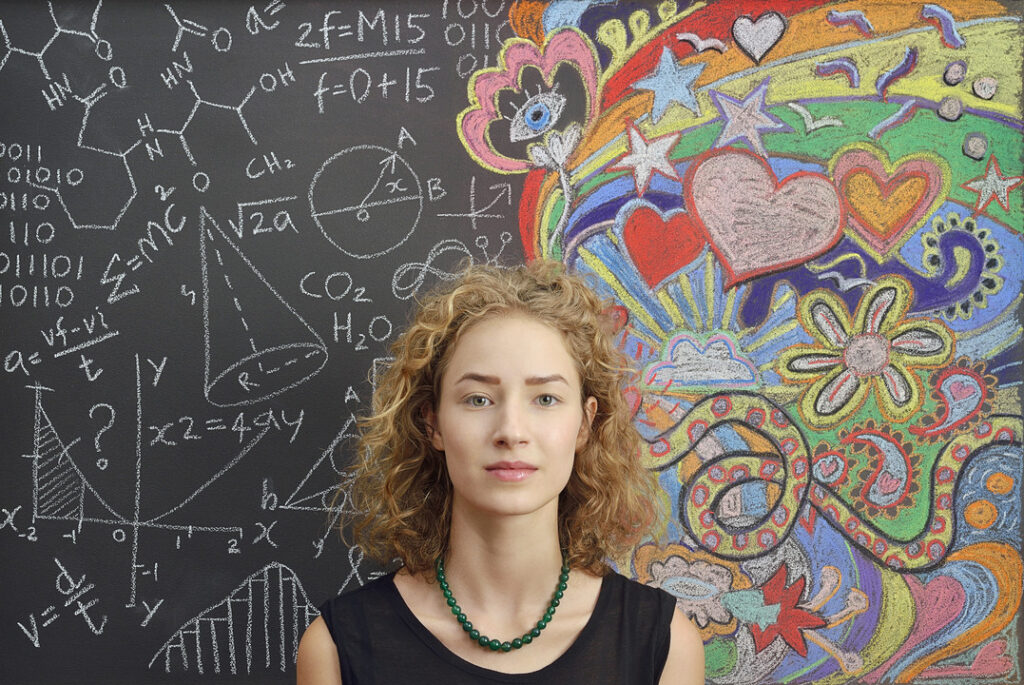
STEAM education is an interdisciplinary approach that connects artistic and creative thinking with traditional STEM fields. It challenges the outdated notion that science and creativity live in separate worlds. Instead, it recognizes that innovation happens when technical expertise meets design, storytelling, and emotion.
Whether it’s using graphic design to communicate climate data, choreographing movements to explain physics concepts, or integrating music into coding exercises, STEAM empowers learners to engage more fully, and more meaningfully, with scientific content.
Why the Arts belong in STEM
The European Commission’s Horizon Magazine recently highlighted the importance of art inclusion as a way to empower girls in science and close gender gaps in STEM fields. Studies show that when arts are integrated into STEM lessons, girls are more likely to participate, express themselves, and stay engaged. This matters, as many girls report feeling alienated in traditional STEM settings.
Moreover, the 2023 STEM Education Report by the European Commission calls for stronger policy efforts and research to support innovative, inclusive, and cross-disciplinary teaching. One clear recommendation: bring the arts into the classroom.
STEAM education not only improves student engagement and motivation, but it also helps cultivate the creative problem-solving skills that 21st-century careers demand.
How STEAMbrace puts STEAM into action
At the heart of this transformation is the Horizon Europe project STEAMbrace, a forward-thinking initiative designed to create inclusive, gender-responsive, and creative learning experiences for students aged 11–18. Through hands-on activities, interdisciplinary challenges, and multilingual resources, STEAMbrace promotes the fusion of scientific knowledge with creative exploration.
Here’s how the project brings STEAM to life:
-
Art-infused learning: STEAMbrace pilots encourage students to explore real-world issues using both analytical and creative tools, from designing inclusive infrastructure to training AI through visual storytelling.
-
Gender-sensitive approaches: By integrating the Arts, the project reaches more students (especially more girls) who might otherwise feel disconnected from STEM.
-
Collaborative synergies: STEAMbrace collaborates with projects like STREAM-IT and Road-STEAMer, exchanging strategies to enhance creative pedagogy and boost diversity in education.
As one of the project’s key goals, STEAMbrace aims to make STEAM not just a framework, but a mindset, one that welcomes all learners and recognizes multiple intelligences.

Results and future outlook
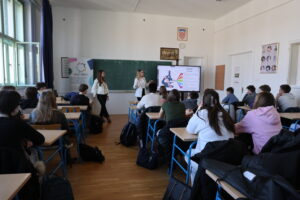
In pilot activities across Europe, over 120 students and 9 teachers at II. Primary School Varaždin recently engaged in STEAMbrace workshops that combined science with design, AI, and creative thinking. The feedback has been overwhelmingly positive, highlighting how arts-based activities spark curiosity, increase confidence, and build a sense of belonging in the classroom.
Looking ahead, the project is expanding its digital footprint and will soon be launching a TikTok account to reach younger audiences, increasing visibility through creative campaigns, and deepening its collaboration with European partners to influence STEAM policy and practice.
Conclusion: STEAM as a pathway to inclusion and innovation
Bringing the Arts into STEM isn’t just about adding color to science class. It’s about redefining what it means to learn, to innovate, and to belong. In a world facing complex challenges, our solutions need both logic and imagination.
Projects like STEAMbrace demonstrate that STEAM education is more than a trend. It’s a powerful tool for equity, creativity, and change. Let’s keep pushing boundaries, empowering students, and building a future where science and art move forward—together.
👉 Learn more about our work and follow our journey at steambraceproject.eu