
Gamification in STEAM education uses game design elements in educational settings to increase student engagement and motivation, making learning more interactive and fun. This approach is proving to be highly effective in STEAM education, where complex concepts can be made more accessible through games. By incorporating elements such as points, badges, leaderboards, and challenges, educators can create a dynamic and immersive learning environment that captures students’ interest and encourages active participation.
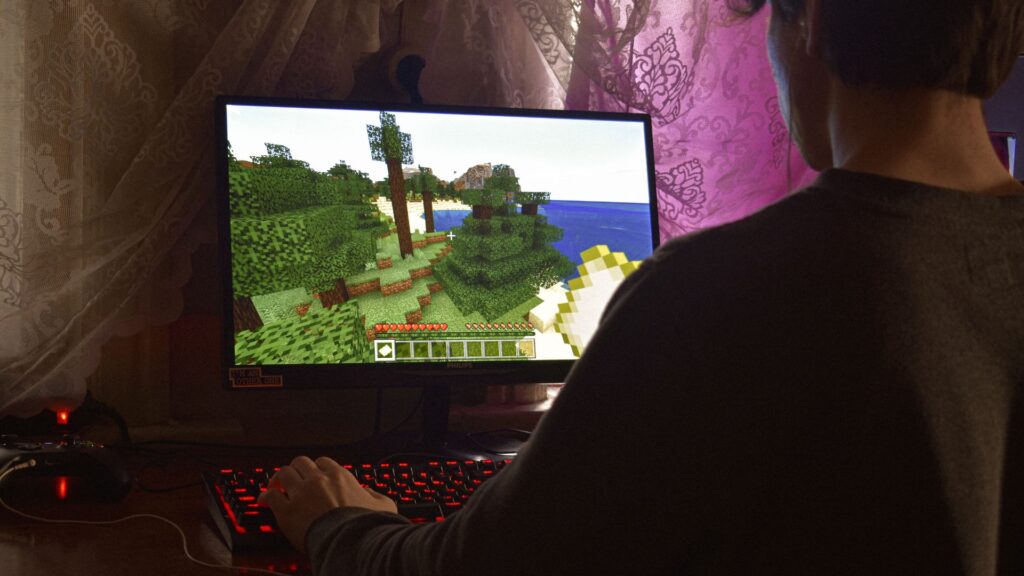
Educational games and platforms like Kahoot!, Minecraft: Education Edition, and Classcraft are being used to teach STEAM concepts effectively. These tools provide interactive and immersive learning experiences that capture students’ interest and make learning enjoyable. For example, Minecraft: Education Edition allows students to explore and create virtual worlds, applying concepts from subjects like mathematics, science, and engineering in a hands-on and engaging way.
Why Gamification in STEAM Education Is So Effective
Gamified lessons, such as using escape room challenges to teach physics or math, show significant improvements in student motivation and learning outcomes. By turning learning into a game, educators can create a dynamic and engaging environment that encourages students to participate and learn actively. These lessons often involve solving puzzles, completing tasks, and collaborating with peers, making the learning process more interactive and enjoyable.
Gamification also enhances classroom dynamics by promoting friendly competition and collaboration. Students often become more invested in their progress, as game mechanics reward effort and persistence. This can be especially valuable for students who struggle with traditional learning approaches, as gamified elements offer alternative pathways to success. For educators, it provides a way to make feedback more immediate and meaningful, a key aspect of effective teaching.
How Gamification in STEAM Education Supports the STEAMbrace Mission
STEAMbrace is actively exploring gamified learning strategies as part of its mission to make STEAM education more inclusive, engaging, and innovative. By integrating gamification into interdisciplinary learning activities, the project supports the development of core skills like creativity, critical thinking, and teamwork. These efforts reflect the growing recognition that engaging educational formats are key to reaching young learners aged 11–18, particularly those who may feel excluded or intimidated by traditional STEAM pathways.
Research indicates that gamification can lead to higher engagement and better retention of knowledge. Students who participate in gamified learning experiences are more likely to be motivated, attentive, and enthusiastic about their studies. This increased engagement translates to improved learning outcomes, as students are more likely to retain and apply the knowledge they have gained.
As a result, more educators are incorporating gamified learning experiences into their STEAM curricula, making education both fun and effective. For instance, teachers might use digital badges to reward students for completing tasks or mastering skills, creating a sense of achievement and encouraging continued effort. Leaderboards can foster healthy competition, motivating students to strive for excellence and improve their performance.
The Future of Gamification in STEAM Education
Furthermore, gamification can help develop essential skills such as problem-solving, critical thinking, and collaboration. Games often require players to think strategically, analyze situations, and work together to achieve common goals. These skills are crucial for success in STEAM fields and beyond, making gamification a valuable tool for holistic education.
Additionally, gamification can cater to different learning styles and abilities, providing a personalized learning experience for each student. Adaptive learning technologies can tailor game-based activities to individual students’ needs, ensuring that each learner is challenged appropriately and supported in their learning journey.
In conclusion, gamification in STEAM education offers a powerful and effective way to enhance student engagement, motivation, and learning outcomes. By incorporating game design elements into their teaching strategies, educators can create an interactive and enjoyable learning environment that fosters essential skills and prepares students for future success.