


International Collaboration in STEAM Education: Connecting Classrooms Worldwide

International collaboration is transforming STEAM education by bringing students, teachers, and institutions together across borders, and at STEAMbrace, we want to share the knowledge with you! When young people connect beyond their own countries, they gain new ways of thinking, learn how to work with others, and tackle global problems with creative teamwork. In a world where science, technology, engineering, arts and mathematics are key to progress, collaborations that span continents are becoming an essential part of learning. What Is International Collaboration in STEAM Education? In simple terms, international collaboration in STEAM education means students working with peers from other countries on shared scientific, artistic, or technological projects. Instead of learning in isolation, they use digital tools to co-create solutions to real-world challenges. This style of learning helps develop a mindset of global citizenship and encourages respect for different ideas and cultures. Digital platforms such as eTwinning, Global Lab, and Zoom are making these partnerships easier than ever. Through them, students from Europe can connect with peers in Asia, Africa, or the Americas to exchange ideas, ask questions, and design projects; even if they never meet in person. As a result, STEAM education becomes not just a learning approach, but a bridge between cultures. Why Does International Collaboration Matter? Global projects in STEAM education help students build crucial 21st-century skills while building empathy and curiosity about the world. Whether taking part in a hackathon on climate change or creating a shared digital artwork, learners enrich their understanding of both science and humanity. Key benefits of this approach include: Cross-cultural communication: Learning to express ideas and listen respectfully to diverse perspectives. Real-world problem solving: Tackling issues such as sustainability, healthcare, or accessibility alongside peers abroad. Digital literacy: Gaining confidence in using online tools to research, create, and present ideas. These experiences help young people see that creative, inclusive solutions rarely come from a single perspective. Instead, they emerge through shared effort, which is an essential mindset in today’s globalised workforce. Real Examples of International Collaboration in STEAM Successful global collaborations already exist. For instance, international hackathons bring teenagers together to design eco-friendly technologies or propose digital solutions to societal problems. Research exchanges and virtual competitions also give students the chance to learn from cutting-edge innovations taking place worldwide. Platforms like eTwinning provide tools and forums to help teachers launch collaborative STEAM projects between schools in different countries. A class in Spain might partner with one in Poland to design a prototype for a sustainable city. Or pupils in Croatia could work with learners in Portugal to create a robotics challenge, sharing data, videos and drawings online, then voting together on the best designs. Participation in international science fairs, artistic tech exhibitions, or coding competitions helps students access new ideas, feel inspired and, importantly, see themselves reflected in the global STEAM community. Many return home not only with improved skills, but with long-term connections that support future study or professional ambitions. Building Equity and Global Mindsets International collaboration in STEAM education is not only about academic growth: it also plays a role in promoting inclusion and equity. By connecting students from different socio-economic backgrounds, regions and cultures, it offers access to wider resources and perspectives. This creates a fairer, more balanced learning environment, especially for students who may not otherwise have opportunities to engage globally. Moreover, mixed-gender and diverse group work helps break stereotypes and generate more inclusive creative thinking. These collaborations can encourage girls and underrepresented learners to see STEAM fields as welcoming and exciting, boosting participation and confidence. Looking Ahead: A More Connected Future As global challenges become increasingly complex, the need for creative, connected problem-solvers will only grow. International collaboration in STEAM education prepares young people not just to understand their world, but to improve it. By working across cultures with shared goals, students learn that curiosity has no borders and innovation is strongest when built together.
The rise of Gamification in STEAM Education
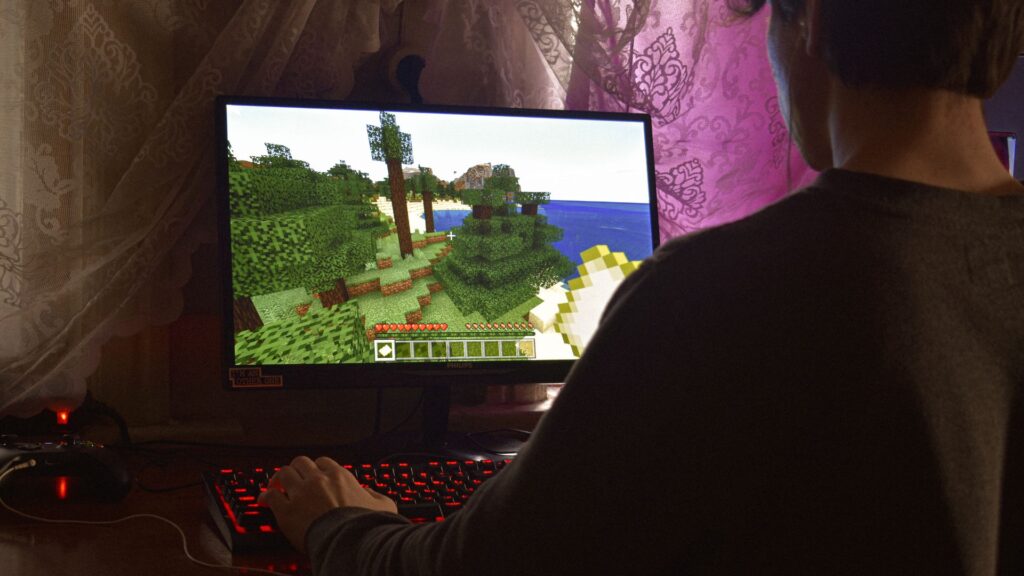
Gamification in STEAM education uses game design elements in educational settings to increase student engagement and motivation, making learning more interactive and fun. This approach is proving to be highly effective in STEAM education, where complex concepts can be made more accessible through games. By incorporating elements such as points, badges, leaderboards, and challenges, educators can create a dynamic and immersive learning environment that captures students’ interest and encourages active participation. Educational games and platforms like Kahoot!, Minecraft: Education Edition, and Classcraft are being used to teach STEAM concepts effectively. These tools provide interactive and immersive learning experiences that capture students’ interest and make learning enjoyable. For example, Minecraft: Education Edition allows students to explore and create virtual worlds, applying concepts from subjects like mathematics, science, and engineering in a hands-on and engaging way. Why Gamification in STEAM Education Is So Effective Gamified lessons, such as using escape room challenges to teach physics or math, show significant improvements in student motivation and learning outcomes. By turning learning into a game, educators can create a dynamic and engaging environment that encourages students to participate and learn actively. These lessons often involve solving puzzles, completing tasks, and collaborating with peers, making the learning process more interactive and enjoyable. Gamification also enhances classroom dynamics by promoting friendly competition and collaboration. Students often become more invested in their progress, as game mechanics reward effort and persistence. This can be especially valuable for students who struggle with traditional learning approaches, as gamified elements offer alternative pathways to success. For educators, it provides a way to make feedback more immediate and meaningful, a key aspect of effective teaching. How Gamification in STEAM Education Supports the STEAMbrace Mission STEAMbrace is actively exploring gamified learning strategies as part of its mission to make STEAM education more inclusive, engaging, and innovative. By integrating gamification into interdisciplinary learning activities, the project supports the development of core skills like creativity, critical thinking, and teamwork. These efforts reflect the growing recognition that engaging educational formats are key to reaching young learners aged 11–18, particularly those who may feel excluded or intimidated by traditional STEAM pathways. Research indicates that gamification can lead to higher engagement and better retention of knowledge. Students who participate in gamified learning experiences are more likely to be motivated, attentive, and enthusiastic about their studies. This increased engagement translates to improved learning outcomes, as students are more likely to retain and apply the knowledge they have gained. As a result, more educators are incorporating gamified learning experiences into their STEAM curricula, making education both fun and effective. For instance, teachers might use digital badges to reward students for completing tasks or mastering skills, creating a sense of achievement and encouraging continued effort. Leaderboards can foster healthy competition, motivating students to strive for excellence and improve their performance. The Future of Gamification in STEAM Education Furthermore, gamification can help develop essential skills such as problem-solving, critical thinking, and collaboration. Games often require players to think strategically, analyze situations, and work together to achieve common goals. These skills are crucial for success in STEAM fields and beyond, making gamification a valuable tool for holistic education. Additionally, gamification can cater to different learning styles and abilities, providing a personalized learning experience for each student. Adaptive learning technologies can tailor game-based activities to individual students’ needs, ensuring that each learner is challenged appropriately and supported in their learning journey. In conclusion, gamification in STEAM education offers a powerful and effective way to enhance student engagement, motivation, and learning outcomes. By incorporating game design elements into their teaching strategies, educators can create an interactive and enjoyable learning environment that fosters essential skills and prepares students for future success.
The rise of STEAM education: Why Arts matter in STEM

For years, STEM (science, technology, engineering, and mathematics) has been a powerful framework for preparing students to navigate a digital, tech-driven world. But in today’s evolving society, creativity, empathy, and critical thinking are just as vital as coding and calculus. That’s why educators, researchers, and policymakers across Europe are increasingly advocating for STEAM education, a model that integrates the Arts into STEM. By adding the “A” for Arts, STEAM creates space for imagination, diversity of thought, and a more inclusive learning environment. And this shift couldn’t be more timely. What is STEAM education? STEAM education is an interdisciplinary approach that connects artistic and creative thinking with traditional STEM fields. It challenges the outdated notion that science and creativity live in separate worlds. Instead, it recognizes that innovation happens when technical expertise meets design, storytelling, and emotion. Whether it’s using graphic design to communicate climate data, choreographing movements to explain physics concepts, or integrating music into coding exercises, STEAM empowers learners to engage more fully, and more meaningfully, with scientific content. Why the Arts belong in STEM The European Commission’s Horizon Magazine recently highlighted the importance of art inclusion as a way to empower girls in science and close gender gaps in STEM fields. Studies show that when arts are integrated into STEM lessons, girls are more likely to participate, express themselves, and stay engaged. This matters, as many girls report feeling alienated in traditional STEM settings. Moreover, the 2023 STEM Education Report by the European Commission calls for stronger policy efforts and research to support innovative, inclusive, and cross-disciplinary teaching. One clear recommendation: bring the arts into the classroom. STEAM education not only improves student engagement and motivation, but it also helps cultivate the creative problem-solving skills that 21st-century careers demand. How STEAMbrace puts STEAM into action At the heart of this transformation is the Horizon Europe project STEAMbrace, a forward-thinking initiative designed to create inclusive, gender-responsive, and creative learning experiences for students aged 11–18. Through hands-on activities, interdisciplinary challenges, and multilingual resources, STEAMbrace promotes the fusion of scientific knowledge with creative exploration. Here’s how the project brings STEAM to life: Art-infused learning: STEAMbrace pilots encourage students to explore real-world issues using both analytical and creative tools, from designing inclusive infrastructure to training AI through visual storytelling. Gender-sensitive approaches: By integrating the Arts, the project reaches more students (especially more girls) who might otherwise feel disconnected from STEM. Collaborative synergies: STEAMbrace collaborates with projects like STREAM-IT and Road-STEAMer, exchanging strategies to enhance creative pedagogy and boost diversity in education. As one of the project’s key goals, STEAMbrace aims to make STEAM not just a framework, but a mindset, one that welcomes all learners and recognizes multiple intelligences. Results and future outlook In pilot activities across Europe, over 120 students and 9 teachers at II. Primary School Varaždin recently engaged in STEAMbrace workshops that combined science with design, AI, and creative thinking. The feedback has been overwhelmingly positive, highlighting how arts-based activities spark curiosity, increase confidence, and build a sense of belonging in the classroom. Looking ahead, the project is expanding its digital footprint and will soon be launching a TikTok account to reach younger audiences, increasing visibility through creative campaigns, and deepening its collaboration with European partners to influence STEAM policy and practice. Conclusion: STEAM as a pathway to inclusion and innovation Bringing the Arts into STEM isn’t just about adding color to science class. It’s about redefining what it means to learn, to innovate, and to belong. In a world facing complex challenges, our solutions need both logic and imagination. Projects like STEAMbrace demonstrate that STEAM education is more than a trend. It’s a powerful tool for equity, creativity, and change. Let’s keep pushing boundaries, empowering students, and building a future where science and art move forward—together. 👉 Learn more about our work and follow our journey at steambraceproject.eu
Insights from our 1st STEAMbrace Congress
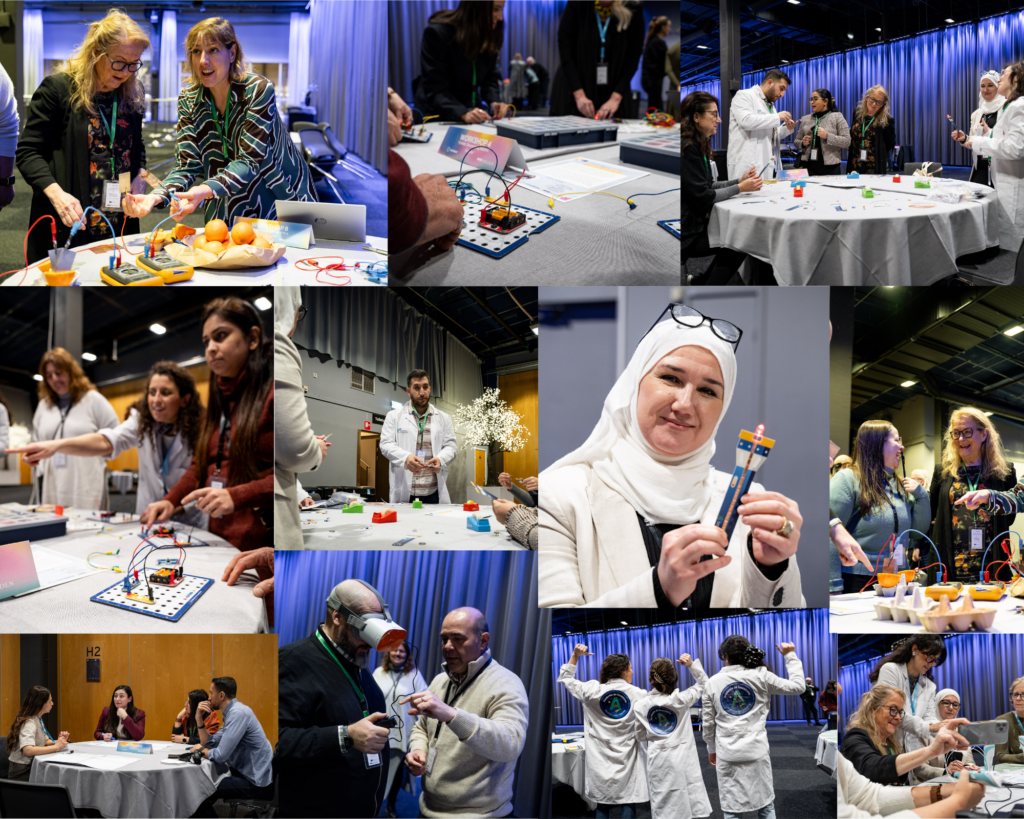
The recent insight from our 1st STEAMbrace Congress in Gothenburg were more than just a meeting of minds—what we got was a dynamic space where creativity, innovation, and collaboration flourished. Over the course of the event, participants had the unique opportunity to engage with a variety of hands-on workshops that showcased the cutting-edge methodologies and educational tools being developed through the STEAMbrace project. This Congress was a key milestone, reflecting the project’s ambition to redefine how science, technology, engineering, arts, and mathematics (STEAM) are taught and experienced in educational environments. A Collaborative Learning Space From the moment attendees stepped into the workshop areas, there was a palpable sense of excitement. Participants from diverse backgrounds—educators, researchers, and project partners—gathered around round tables, where they were invited to explore, experiment, and reflect on the potential of STEAM education. The goal was not only to present innovative learning tools but also to test, refine, and expand upon them through real-time interaction and feedback. This participatory model aligns with STEAMbrace’s core philosophy: to bridge the gap between theory and practice by engaging learners in activities that encourage curiosity, critical thinking, and creative problem-solving. Each workshop offered a hands-on, experimental environment where abstract scientific principles were transformed into tangible and interactive experiences. One of the standout aspects of the Congress was the diversity of workshops, which demonstrated how STEAM education can be both accessible and engaging for students aged 11 to 18. Activities ranged from exploring renewable energy using natural materials to immersive digital experiences that showcased the power of virtual reality. Each session reflected a commitment to fostering inclusivity and interdisciplinary collaboration, key pillars of the STEAMbrace initiative. Testing and Co-Creating Future STEAM Tools A central objective of the Congress was to provide a platform for testing some of the educational tools that STEAMbrace is developing while also showcasing activities already implemented in schools. These workshops were not just demonstrations—they were collaborative experiments where participants could engage deeply with the materials, offer feedback, and discuss ways to improve and scale these methodologies across different educational contexts. For instance, the Citrus Sparks workshop demonstrated how simple, everyday materials could become powerful learning tools. Participants built batteries using orange juice as a natural electrolyte, which not only made abstract chemical concepts more tangible but also highlighted the practical potential of sustainable energy sources. This type of hands-on learning encourages both scientific inquiry and environmental awareness, key aspects of modern STEAM education. Similarly, the VR Creation workshop invited participants to dive into the world of virtual reality, guiding them through the process of designing and experiencing their own immersive environments. This activity showcased how emerging technologies can enhance learning by providing students with experiential and interactive access to complex ideas. It also demonstrated how digital tools could foster creativity while reinforcing technical skills essential for the future. The Magic Lanterns and 3D Pencils workshops provided another layer of exploration, blending art and technology. These sessions emphasized the A in STEAM, illustrating how creative expression can enhance technical learning and provide new avenues for innovation. By encouraging participants to design illuminated models and create 3D structures, these workshops bridged the gap between imagination and engineering, showing how creative design processes can empower young learners to explore scientific concepts from new angles. Addressing Key Challenges: Gender and Inclusion in STEAM Beyond the hands-on technical workshops, the World Café session created a meaningful space for dialogue about gender equity and inclusion in STEAM fields. Facilitated by Aylar Hassanpouraghdam, this discussion invited participants to reflect on how to break down barriers for underrepresented groups, particularly girls and young women. Conversations focused on identifying structural challenges, sharing best practices, and developing actionable strategies to create more inclusive educational spaces. This session aligned with one of STEAMbrace’s most important goals: to bridge the gender gap in science and technology. By fostering these discussions during the Congress, the project aims to inspire collective action and to empower future generations of women to pursue and thrive in STEAM fields. Building a Vision for the Future Throughout the Congress, a recurring theme emerged: this is only the beginning. As Anca Dumitrescu, Chairman of the Board at WiTEC Sweden, expressed during her address, the event marked a first step toward a larger vision for the future of STEAM education. With the collaborative energy witnessed in Gothenburg, there is clear optimism that the impact of STEAMbrace will extend far beyond these workshops and into classrooms across Europe. The workshops were not isolated activities—they were building blocks for a more integrated and innovative educational ecosystem. By co-creating with educators and stakeholders, the STEAMbrace project is laying the foundation for scalable methodologies that can be adopted and adapted in diverse educational contexts. According to Juancho Pons, STEAMbrace Coordinator and Project Manager at Edelvives, the Congress was a tangible demonstration of the project’s guiding principles: “In this consortium, we have embraced the core values of STEAM—collaboration, creativity, critical thinking, and diversity—and these values are what will drive us forward. What we began here in Gothenburg will help shape the future of how STEAM education is delivered across Europe.” Looking Ahead As the Congress concluded, there was a shared sense of momentum and commitment. The insights gathered from these workshops will inform the next phases of the project, ensuring that the tools and methodologies developed reflect real-world needs and educational priorities. Over the next three years, STEAMbrace will continue to develop, test, and refine these approaches, always with the goal of making STEAM education more inclusive, accessible, and impactful. The STEAMbrace Congress in Gothenburg was not just a meeting—it was a living laboratory for innovation, a collaborative space where participants came together to imagine, create, and shape the future. As the project moves forward, the energy and ideas generated during these days will continue to drive the mission to transform STEAM education across Europe. Original article written by Filipa Magalhaes.