STEAMbrace 2nd annual meeting in Bilbao: Collaboration that shapes the future of STEAM
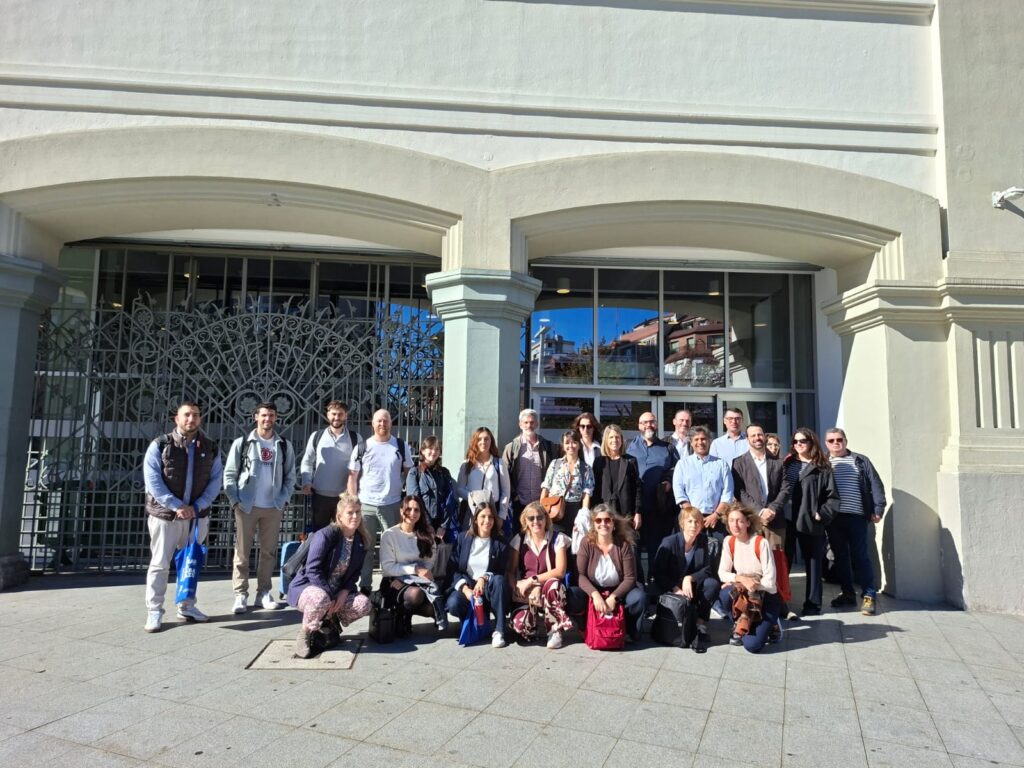
The STEAMbrace 2nd anual meeting in Bilbao brought partners together for a powerful moment of alignment, creativity, and planning. The meeting highlighted how STEAM education blends innovation, culture, and real-world problem-solving, and how collaboration keeps the project moving forward. As a result, partners left with renewed clarity and shared purpose for the year ahead. What the STEAMbrace 2nd annual meeting set out to achieve This meeting was designed to connect workstreams, refine strategies, and prepare for the most active phase of STEAMbrace. It linked teachers, researchers, technologists, and creative practitioners in a single space with one mission: to build a more inclusive, more inspiring STEAM ecosystem for Europe’s young people. Partners reviewed the progress across all work packages and explored the next milestones together. Moreover, they strengthened the collaborative structure that ensures STEAMbrace remains coherent, ambitious, and impactful. With major activities approaching (from pilots to contests to STEAM Week), the STEAMbrace 2nd annual meeting offered perfect timing to synchronise visions, methods, and practical tools. Why STEAM belongs at the centre of these conversations STEAMbrace works at the intersection of science, creativity, technology, and inclusion. That blend was fully visible in Bilbao. STEAM helps turn technical concepts into human-centred learning. Robotics becomes storytelling. AI becomes collaboration. Engineering becomes design practice. In addition, STEAM opens the door to diverse perspectives. This helps reduce gender gaps and ensures more students, especially girls, can see themselves thriving in these fields. Teachers can adapt STEAMbrace activities to their national contexts. Students can prototype ideas, explore labs, and visualise problems creatively. These experiences deepen understanding while building confidence. La Perrera: Where robotics, creativity, and STEAM meet A highlight of the meeting was the visit to La Perrera, a cultural and technological space in Bilbao dedicated to experimentation, robotics, and innovation. The venue served as an ideal backdrop for a project like STEAMbrace, open, collaborative, and future-focused. Partners explored several robotics models, including the globally known robot dog, and learned about the design and engineering behind the creations. Importantly, many of these developments involved brilliant women engineers, reinforcing the project’s goal of increasing the visibility of women in STEAM. La Perrera showed how robotics can inspire students by making technology tangible, playful, and accessible. It also demonstrated how cultural spaces can spark imagination, a key ingredient of STEAM learning. Moving toward the National STEAM Contests and the European final Another major milestone discussed in Bilbao was the upcoming National STEAM Contests. Each partner will organise its own challenge, adapted to local needs and cultures. Later, winners will gather for the European STEAM Contest, a flagship event scheduled for April 2026. These contests encourage creativity, teamwork, and student-led innovation. They also help close gender gaps by making STEAM more attractive, relatable, and visible to girls. The STEAMbrace 2nd annual meeting focused on preparing communication strategies, evaluation criteria, and support materials to ensure the highest participation possible. STEAM Week 2026: A European celebration in progress Partners also advanced preparations for STEAM Week, another major effort planned for April 2026. This event will bring together classrooms, families, stakeholders, and policymakers through activities, workshops, live sessions, and creative challenges. Communication efforts will begin early to ensure that STEAM Week becomes an accessible, engaging, continent-wide initiative. The Bilbao meeting provided clarity on roles, content needs, and media approaches. What students and teachers gain through STEAMbrace Activities aligned with STEAMbrace help young people develop: Clear explanations for complex ideasCreative tools to turn theory into meaningTeamwork skills across mixed groupsConfidence to ask bold, informed questions These skills last because students create, test, and communicate their ideas — not just learn them passively. How STEAMbrace will support the next steps STEAMbrace continues to focus on inclusion, clarity, and reach. We develop resources that help teachers begin quickly. We amplify the work of women role models. We highlight inspiring pilots, national actions, and student projects across Europe. Moreover, we plan youth-friendly content for social media: reels, explainers, and showcases from real classrooms, making STEAM visible in everyday life. Looking ahead: momentum for 2026 and beyond The STEAMbrace 2nd annual meeting marks a new phase for STEAMbrace. With pilots expanding, contests launching, and STEAM Week approaching, the project is entering a period of high activity and high impact. Partners will continue to collaborate, share knowledge, and support teachers and students across Europe as STEAMbrace builds a more inclusive, creative, and connected future for education. STEAMbrace 2nd annual meeting sets the stage for what’s next The STEAMbrace 2nd Annual Meeting in Bilbao showed what happens when creativity, robotics, education, and collaboration meet. It brought partners together, sharpened goals, and set the foundation for the next chapter. Follow STEAMbrace for updates, pilot stories, and youth-ready explainers and join us in shaping the future of STEAM education across Europe.