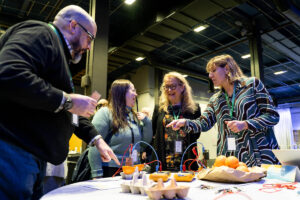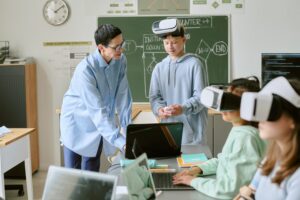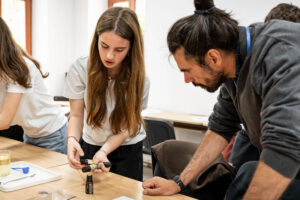


The STEAMbrace STEAM Contest Final brought together young European talent at Etopia, Zaragoza, creating a dynamic space where students could present their ideas, share innovative solutions and experience STEAM education beyond the classroom. The event gathered 13 delegations from Sweden, Croatia, Romania, Spain and Portugal, with around 50 to 60 students taking part in a European final that highlighted creativity, teamwork, communication and problem-solving. As part of the STEAMbrace project, the STEAM Contest helped show how interdisciplinary learning can empower young people to become active creators of knowledge and innovation.
A European final for young STEAM talent
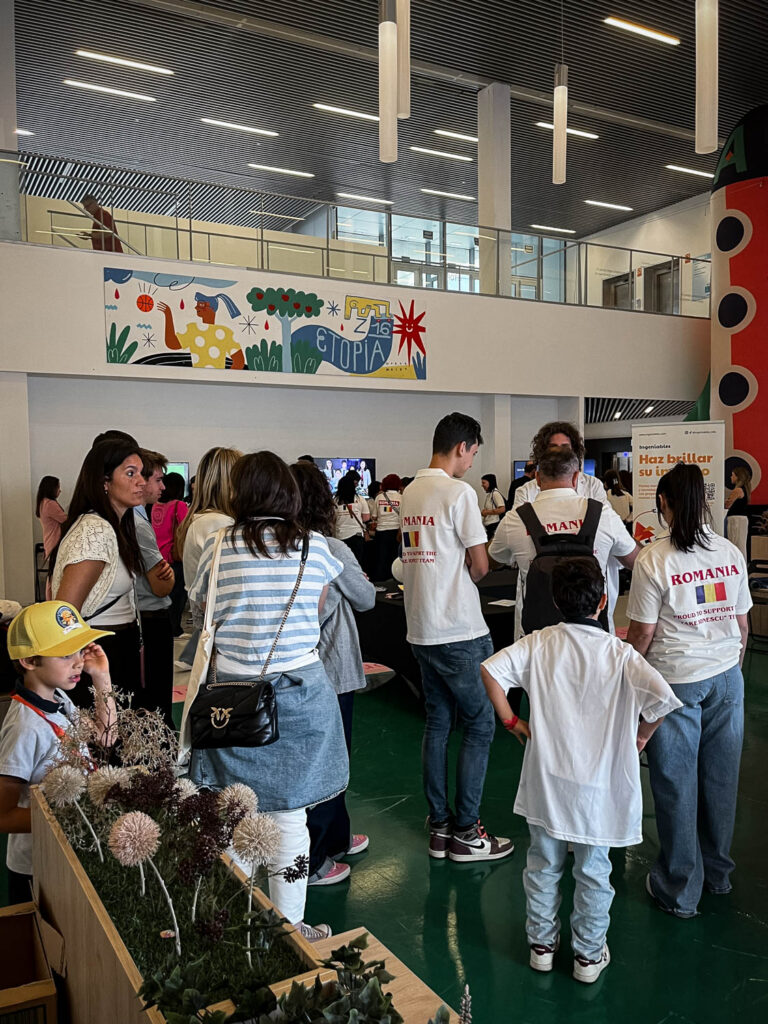
The STEAM Contest Final transformed Etopia, Zaragoza, into a meeting point for students, educators and project partners committed to the future of STEAM education in Europe. The presence of delegations from five countries reflected the European dimension of STEAMbrace and the project’s ambition to connect schools, learning communities and innovation ecosystems through shared educational experiences.
Throughout the final, students had the opportunity to present the projects they had developed through national and local activities. These presentations were not only a way to showcase results, but also a chance for young people to explain their ideas, defend their decisions and communicate the value of their work to an international audience.
The event created a positive and inspiring environment where participants could see how other students approach similar challenges from different countries and perspectives. This exchange is especially important in STEAM education, where collaboration, creativity and critical thinking are essential for addressing real-world problems. By bringing young learners together in a European setting, the STEAM Contest reinforced the value of learning across borders.
Students as creators, presenters and innovators
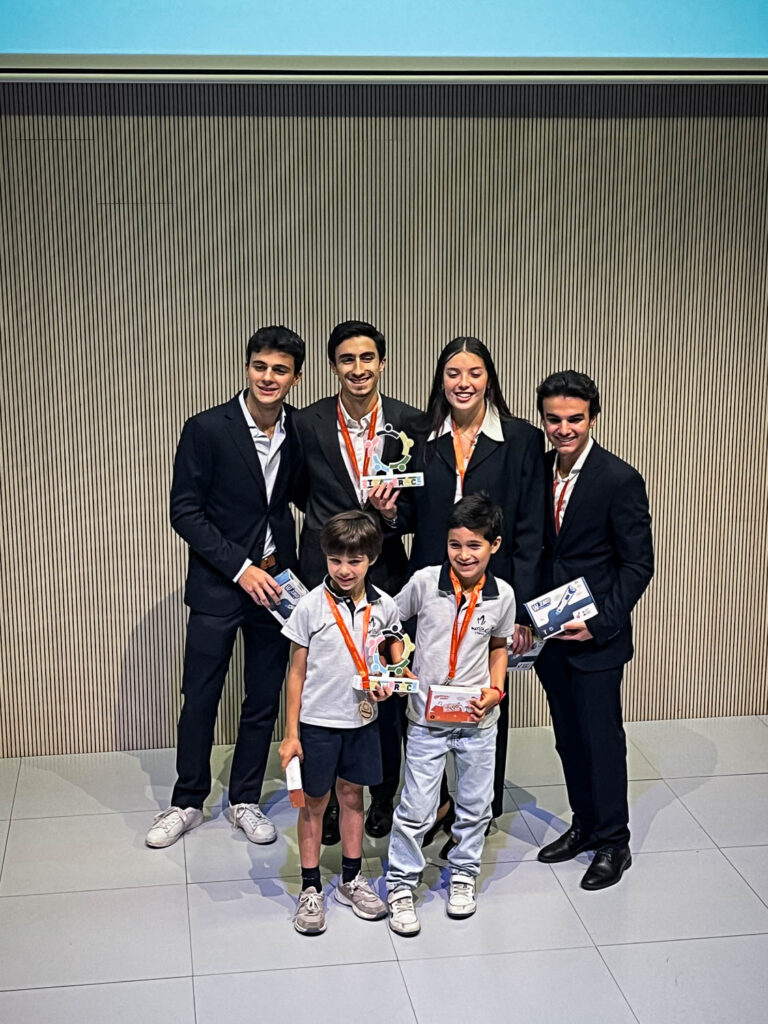
One of the most powerful aspects of the final was the active role played by students. They were not passive participants in an educational event; they became presenters, creators and ambassadors of their own ideas. Through their projects, they demonstrated how science, technology, engineering, arts and mathematics can be combined to explore challenges, design solutions and communicate innovation in an accessible way.
The final encouraged students to move beyond theoretical knowledge and apply what they had learned in practical, creative and collaborative formats. This approach is central to the STEAMbrace methodology, which promotes learning experiences that connect technical skills with imagination, communication and social awareness.
Taking the stage in front of peers, teachers and consortium representatives also strengthened students’ confidence and communication skills. Presenting a project requires more than understanding a topic; it involves structuring ideas clearly, explaining decisions, answering questions and showing the relevance of the solution proposed. In this sense, the STEAM Contest supported the development of key competences that are essential for future education, employment and civic participation.
How the STEAM Contest supports STEAMbrace objectives
The STEAM Contest is closely connected to the wider objectives of STEAMbrace. The project works to promote inclusive and innovative STEAM education, with a strong focus on reducing gender gaps in STEM-related fields and encouraging young people to engage with science and technology through more creative and accessible approaches.
By integrating the arts into STEM learning, STEAMbrace helps students understand that innovation is not limited to technical knowledge. Creativity, design, storytelling, empathy and collaboration also play an essential role in the way new ideas are imagined and developed. The final in Zaragoza offered a clear example of this vision, as students were invited to present projects that reflected both analytical thinking and creative expression.
The event also supported the project’s aim of making STEAM education more attractive and meaningful for learners from different backgrounds. When students see their ideas valued in an international setting, they can better understand the relevance of their work and the possibilities that STEAM pathways can open for their future. This is particularly relevant for girls and young people who may not always see themselves represented in scientific or technological fields.
Creativity, teamwork and real-world challenges
The final highlighted the importance of teamwork as a central element of STEAM learning. Students worked together to develop their proposals, distribute responsibilities and present their ideas in front of the audience. This collaborative process reflects the way innovation often happens in real contexts: through dialogue, experimentation, problem-solving and the combination of different perspectives.
Creativity was also a key value throughout the event. The projects presented by the delegations showed that STEAM education can help students approach challenges in original ways, linking technical knowledge with imagination and practical application. Rather than separating disciplines, the STEAM approach encourages learners to make connections between them and to understand problems from a broader perspective.
The participation of consortium representatives from EDELVIVES, AIJU, Academia de Inventores, Maristas Portugal, the Faculty of Economics and Business of the University of Zagreb, ATRV and Contactica also reinforced the collaborative nature of the event. Their presence showed the strong commitment of the STEAMbrace partnership to supporting young learners and creating meaningful opportunities for educational innovation.
By recognising the work of all participating teams and celebrating the winning projects, the final underlined the value of effort, curiosity and collaboration. The event was not only about competition, but about learning from others, gaining confidence and understanding that every idea can contribute to a wider conversation about the future of education.
From Zaragoza to future STEAM pathways
The STEAM Contest Final at Etopia represents an important milestone for STEAMbrace, but it is also part of a wider journey. The knowledge, experiences and inspiration generated during the event will continue to feed into the project’s broader work on STEAM education, student engagement and European collaboration.
The final showed how project-based learning can create spaces where students become active participants in their own education. It also demonstrated the importance of giving young people opportunities to present their ideas beyond the classroom, connect with peers from other countries and experience the European dimension of innovation and learning.
This momentum will continue through upcoming STEAMbrace activities, including the 2nd STEAM Congress 2026 in Râmnicu Vâlcea, Romania. The Congress will further explore the future of STEAM education, bringing together partners, educators, students and institutions to discuss impact, inclusion, educational pilots, microcredentials and student-centred learning.
By connecting the final in Zaragoza with future project milestones, STEAMbrace continues to build a stronger European ecosystem for inclusive STEAM education. Each activity contributes to the same long-term goal: supporting young people to develop the skills, confidence and creativity they need to participate in shaping the future.
Through the STEAM Contest Final, STEAMbrace celebrated more than student projects. It celebrated the capacity of young people to imagine, collaborate and communicate ideas with real potential. The event demonstrated how European cooperation can create meaningful learning opportunities and how STEAM education can open new pathways for inclusion, innovation and impact.
As the project moves forward, STEAMbrace remains committed to promoting educational experiences that bring students, teachers, institutions and communities together. By supporting young talent and strengthening collaboration across Europe, the project continues to contribute to a more inclusive, creative and future-oriented STEAM landscape.