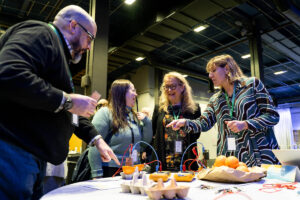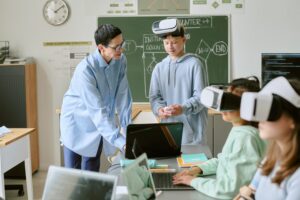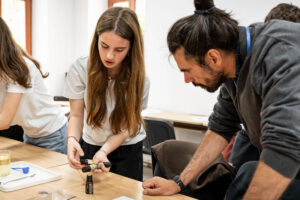



The STEAM Congress 2026 brought the STEAMbrace community together in Râmnicu Vâlcea, Romania, on 21 May for a full day dedicated to educational innovation, student engagement and European collaboration. The event gathered around 250 participants, including consortium members, teachers, invited guests and students, creating a vibrant space to exchange experiences and explore the future of STEAM education in Europe. Through institutional speeches, expert sessions, student-led activities and plenary discussions, the Congress showed how science, technology, engineering, arts and mathematics can support more inclusive, creative and impactful learning pathways.
STEAM Congress as a European meeting point
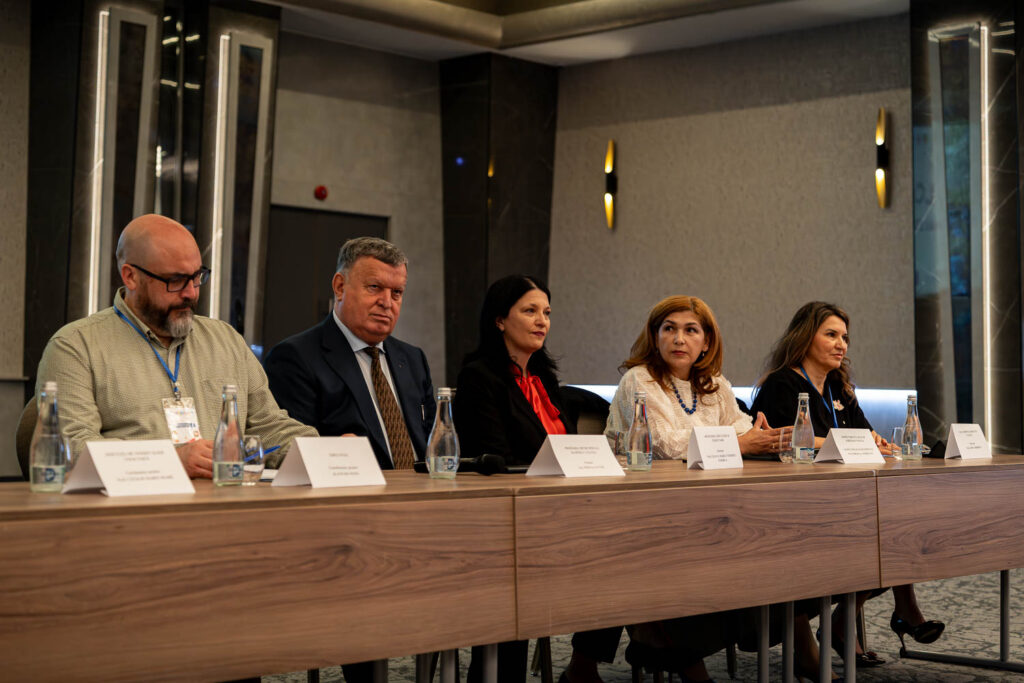
The day began with the registration of participants, followed by the official opening of the Congress. The welcome session included contributions from Mr. Mircia Gutau, Mayor of Râmnicu Vâlcea; Mrs. Mihaela Andreianu, Head of the Vâlcea County School Inspectorate; Mr. Alin Catalin Paunescu, Director of the Ministry of Education; and Juancho Pons, STEAMbrace Coordinator.
Their interventions highlighted the importance of connecting local educational communities with European cooperation frameworks. In this sense, the STEAM Congress became more than a project event: it was a shared space where institutions, schools, partners and students could reflect on how STEAM education can respond to current and future learning needs.
The opening was followed by an artistic performance from students of the Art High School, who presented a local musical performance. This moment reflected one of the key principles of STEAMbrace: the arts are not separate from science and technology, but an essential part of how students express creativity, culture and knowledge.
STEAM Congress sessions on impact and scale
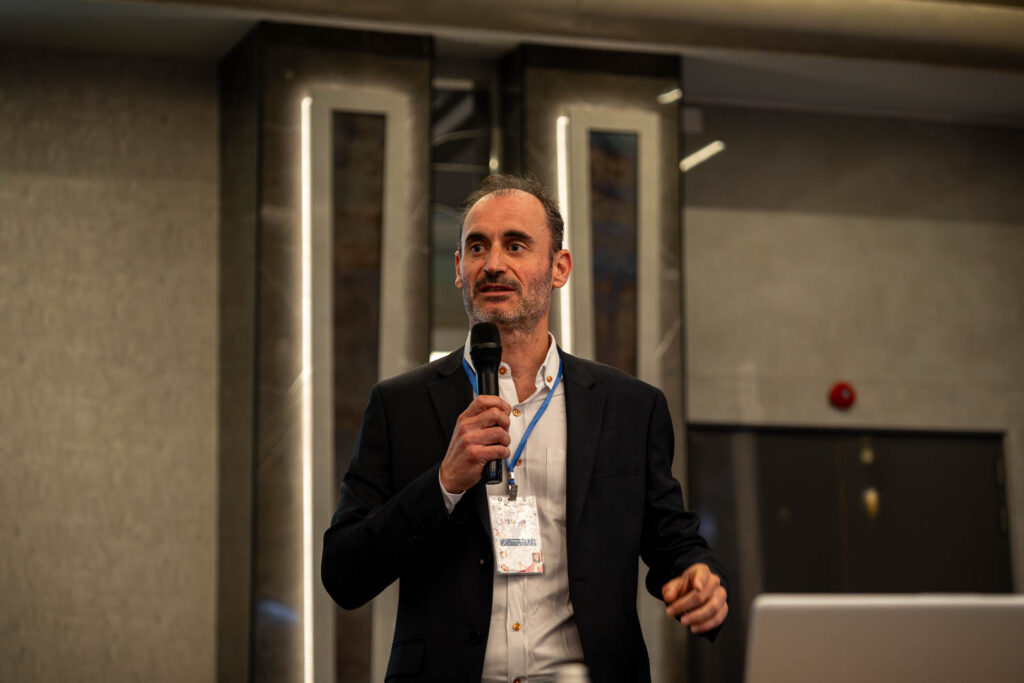
The first technical session of the morning focused on how to organise engaging STEAM activities and measure their impact. Presented by Pablo Busó from AIJU and Sol Martire from Academia de Inventores, the session explored competence development, knowledge acquisition and student engagement from a cross-country perspective.
This contribution was especially relevant for STEAMbrace, as the project does not only aim to design attractive educational activities. It also seeks to understand how these activities influence learning processes, how students respond to them and how their impact can be assessed across different educational contexts. By connecting practice with evidence, the session reinforced the importance of evaluation in building stronger and more replicable STEAM methodologies.
The morning continued with Tiago Nascimento from C4G, who presented the role of microcredentials in scaling STEAM learning. His session opened a valuable discussion on how specific skills and learning experiences can be recognised, structured and shared beyond individual classrooms. Microcredentials can support the wider adoption of STEAM approaches by helping educators and learners identify competences and pathways for continued development.
Together, these sessions showed how the STEAM Congress connected practical engagement with long-term educational transformation. The focus was not only on what works in the classroom, but also on how successful practices can be evaluated, recognised and transferred across Europe.
Students at the centre of the STEAM Congress
The second part of the morning focused on educational pilots and student-centred learning experiences. Claudia Gardete from Maristas Portugal presented Big Pilot in Action: Innovation in Education, offering insights into how STEAMbrace methodologies are being implemented in real educational settings. This session connected the project’s strategic objectives with classroom experimentation and showed how pilots can create meaningful opportunities for both students and teachers.
Toni Barreiros from the University of Beira Interior then explored The Impact of STEAM Learning on Secondary School Students During Their University Journey. This perspective added a long-term dimension to the discussion, inviting participants to reflect on how early STEAM experiences can influence students’ confidence, educational choices and future pathways.
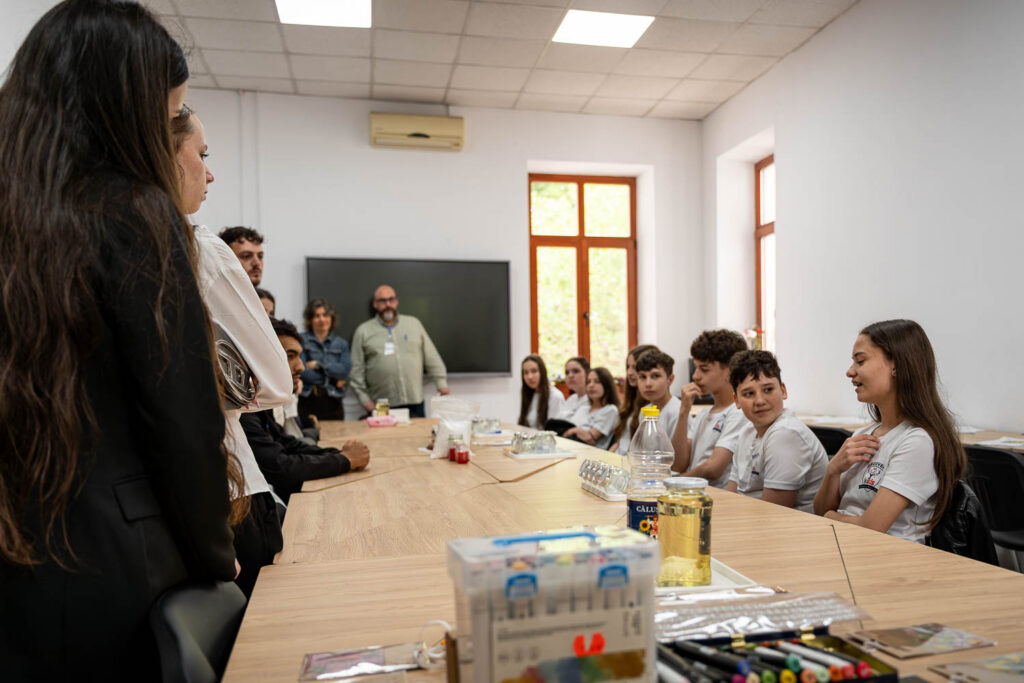
One of the most dynamic moments of the day came with the STEAM classes led by local schools from Râmnicu Vâlcea. Michaela Balint from Scoala Gimnaziala Discovery Kids presented Waste into Light – A STEAM Approach to Reimagining Used Cooking Oil, while Mihai Arisanu from Scoala Gimnaziala Take Ionescu led Robots for STEAM Education.
These interactive sessions placed students at the centre of the STEAM Congress. They demonstrated that STEAM education is not only discussed through presentations; it is built through experimentation, creativity and active participation. By working with themes such as sustainability, robotics and applied learning, the classes showed how young learners can connect scientific knowledge with real-world challenges.
Inclusion, creativity and European collaboration
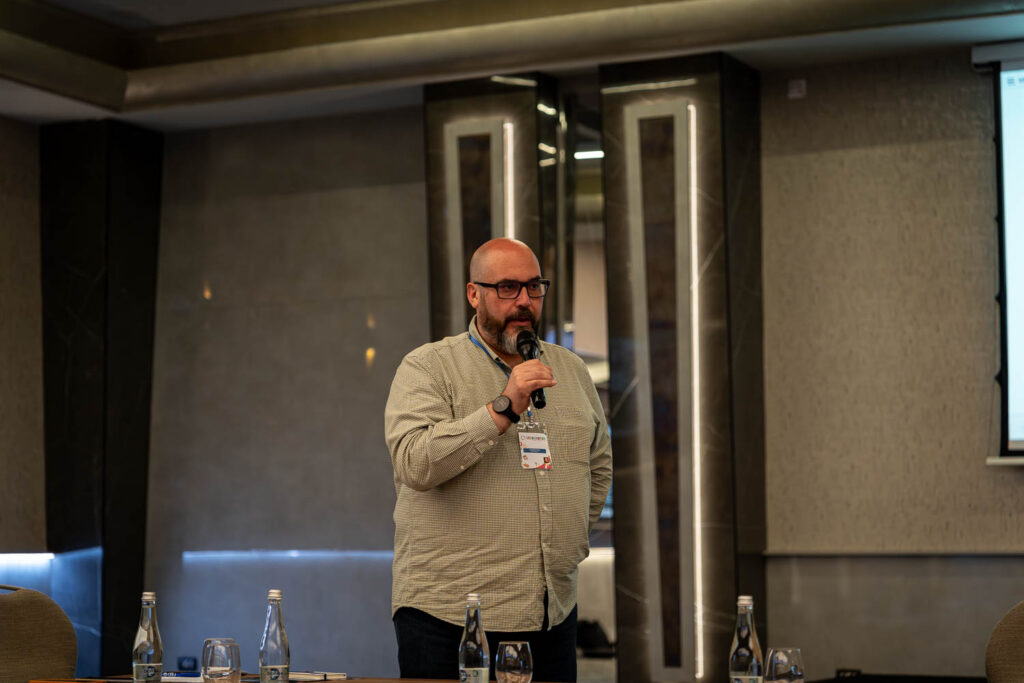
The afternoon programme expanded the focus towards contests, national initiatives, gender inclusion and creative methodologies. Juancho Pons from EDELVIVES presented National STEAM Contests and EuroFINAL: Finding Excellence in STEAM Education, highlighting the role of competitions in encouraging student creativity, teamwork and innovation. Within STEAMbrace, these contests help make STEAM learning more visible, motivating and connected across countries.
David Sousa from NUCLIO then introduced The STEAM Innovation Festival 2026: A National Showcase of STEAM in Portugal. This session provided another example of how national activities can contribute to a wider European movement around STEAM education. By showcasing initiatives at national level, the project strengthens its capacity to connect local experiences with European impact.
The following session, STEAMtastic – The Magic of Science in Story-Based Learning, was presented by Michaela Balint from Scoala Gimnaziala Discovery Kids. It explored how storytelling can be integrated into STEAM lessons to foster curiosity, engagement and deeper learning. This approach reinforced the idea that STEAM education benefits from imagination, narrative and emotional connection, especially when helping students understand abstract or complex concepts.
STEAM Congress plenaries and future pathways
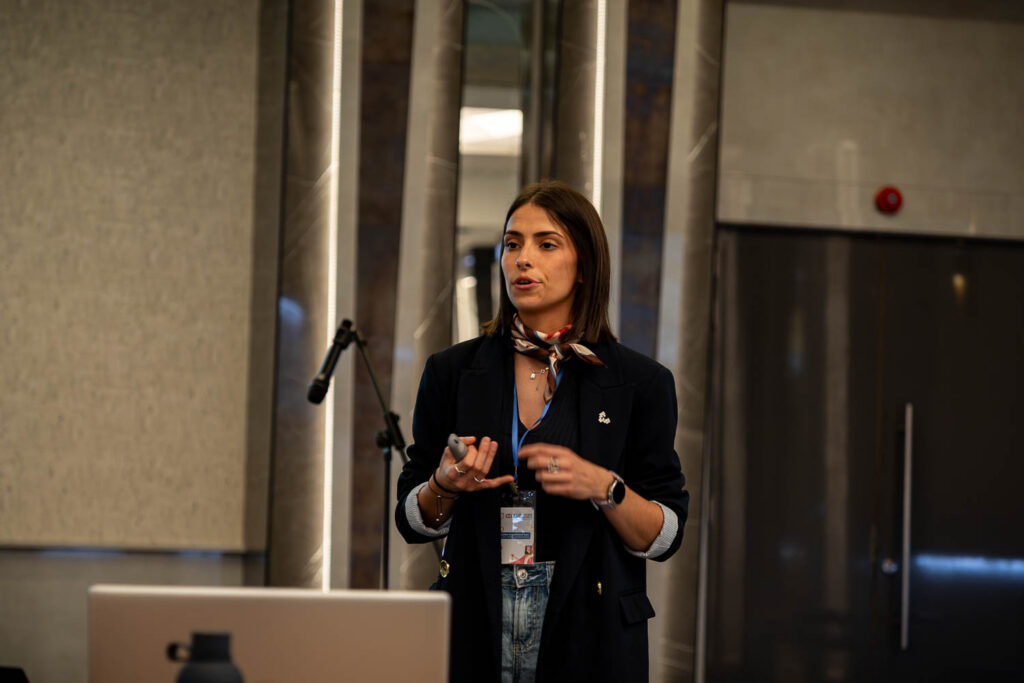
The day concluded with a set of plenary sessions that brought together teacher training, children’s perspectives and gender representation in science education. Aitziber Sagastizabal-Sáez, Naiara Bilbao-Quintana and Arantzazu López de la Serna from EHU presented From Challenge Design to Learning Evidence: Initial Teacher Training for Constructing STEAM Projects through Formative Evaluation. Their contribution focused on the importance of preparing future teachers to design, implement and evaluate STEAM projects through reflective and evidence-based approaches.
Ivana Tunjić and Ivana Markeljević from Elementary School Hugo Badalić in Slavonski Brod, Croatia, presented STEM World through Children’s Eyes, STEM Spajalica. This session highlighted how children perceive and experience STEM and STEAM learning, reminding participants that student perspectives must remain central when designing educational innovation.
Finally, Hatice Kirmaci from Women Science Teachers presented Effect of Female Teachers in Science Education – Interactive Presentation. This contribution connected strongly with the gender inclusion dimension of the project, underlining the importance of representation, role models and inclusive learning environments in science education.
Across the full programme, the STEAM Congress 2026 offered a broad view of how STEAMbrace is advancing its objectives through research, classroom practice, student participation and European cooperation. The event demonstrated the importance of combining evidence with creativity, inclusion with innovation, and local educational action with international collaboration.
By bringing together around 250 participants in Râmnicu Vâlcea, STEAMbrace strengthened its commitment to building a more inclusive and future-oriented STEAM ecosystem. The STEAM Congress showed that meaningful educational change happens when young people are invited to participate actively, teachers are supported with practical methodologies, and European partners work together to share knowledge, test ideas and create lasting impact.