


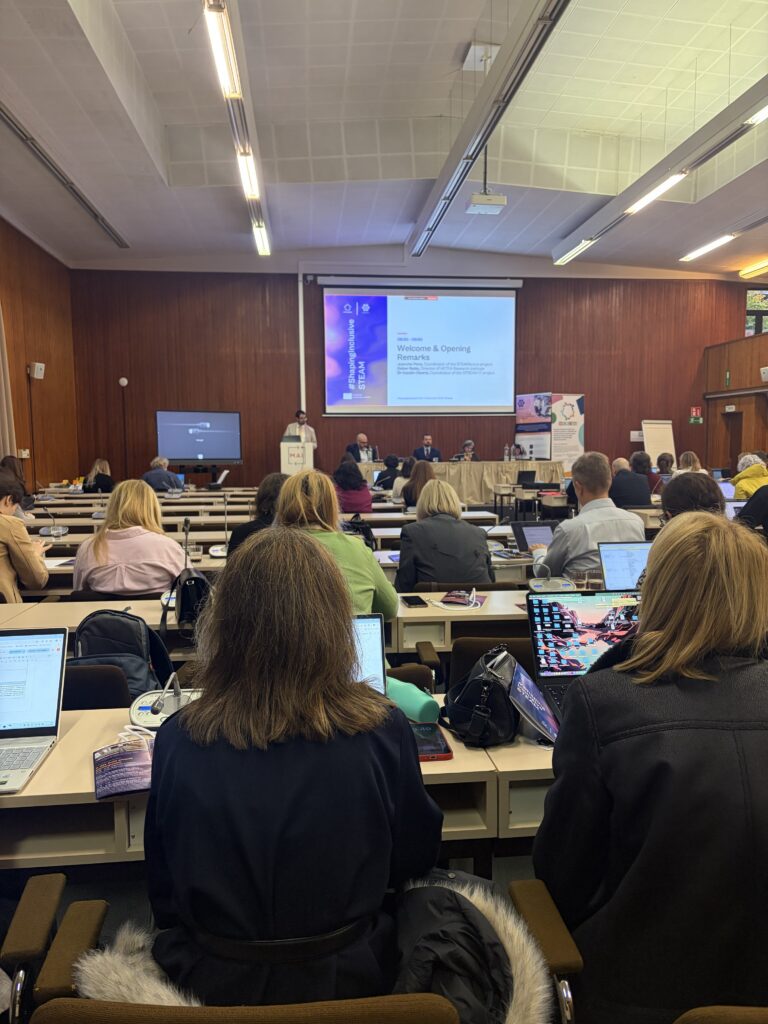
On 17 November 2026, more than 200 people joined #ShapingInclusiveSTEAM, both at the Maison des Associations Internationales in Brussels and online, for a European conversation on the future of inclusive STEAM education. Jointly organised by STEAMbrace and STREAM IT, the hybrid event, Advancing Inclusive STEAM Education: Insights, Results & the Road Ahead, brought together educators, researchers, policymakers, project partners and other stakeholders to examine how gender-responsive learning can become a lasting feature of education across Europe. The full programme and background information remain available on the official STEAMbrace event page.
The gathering was more than a showcase of results. It brought the experience of different European initiatives into direct contact with the people who can apply, strengthen and sustain their work. Across keynote contributions, two roundtables, participatory workshops and closing reflections, participants considered the relationship between evidence, educational practice and policy. For STEAMbrace, the event was also an opportunity to reflect on three years of collaboration while inviting new perspectives on the future of inclusive STEAM education.
A European Dialogue on Gender-Responsive Education
The day opened with contributions from the coordinators of both projects, Juancho Pons Vega for STEAMbrace and Katalin Oborni for STREAM IT. A keynote by Adrian Duşa, from the European Commission’s Directorate-General for Education, Youth, Sport and Culture (DG EAC), placed the conversation in the context of the EU STEM Education Strategic Plan. This perspective underlined the importance of connecting educational inclusion with wider priorities for skills, opportunity and European cooperation. It also set the stage for a central question: how can promising practices evolve into sustainable approaches rather than remain isolated achievements?
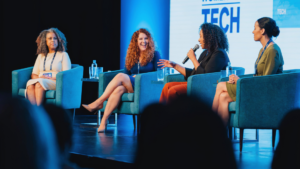
The first roundtable examined sustainable gender-responsive STEAM ecosystems and the potential of the STEAM Alliance for Europe to connect schools, universities, researchers, businesses and policymakers. A second roundtable, organised by STREAM IT, addressed evidence, policy recommendations and the transformative role of the Arts. Together, the discussions explored how stereotypes, classroom experiences, institutional structures and creative approaches influence participation. Rather than treating inclusive STEAM as a single teaching technique, speakers approached it as a shared responsibility involving schools, communities, decision-makers and European networks.
Bringing STEAMbrace Results into the Conversation
For STEAMbrace, Brussels offered a moment to connect project findings with the practical realities of teaching and learning. Its cross-cultural baseline study involved 3,556 students aged 11–18 in seven European countries, providing evidence about young people’s experiences and perceptions of STEAM. In a separate evaluation of STEAMbrace activities, the proportion of participants who considered STEAM “very useful” or “absolutely useful” rose from 27% before participation to 43% afterwards. These findings belong specifically to STEAMbrace and illustrate the value of testing educational approaches rather than relying solely on assumptions about engagement.
The consortium’s work has extended beyond research to educational activities, teacher-facing resources and spaces for collaboration. STEAM Week, project learning materials and the STEAM Digital Hub provide ways to translate evidence into experiences that teachers can adapt to their own settings. These contributions helped frame the discussion around inclusive STEAM education as something that must be usable, engaging and responsive to different learners. STREAM IT contributed its distinct evidence and experience on gender and diversity inclusion, including its Roadmap for Gender-Inclusive STEAM Education, which connects stakeholder dialogue with guidance for education and research organisations.
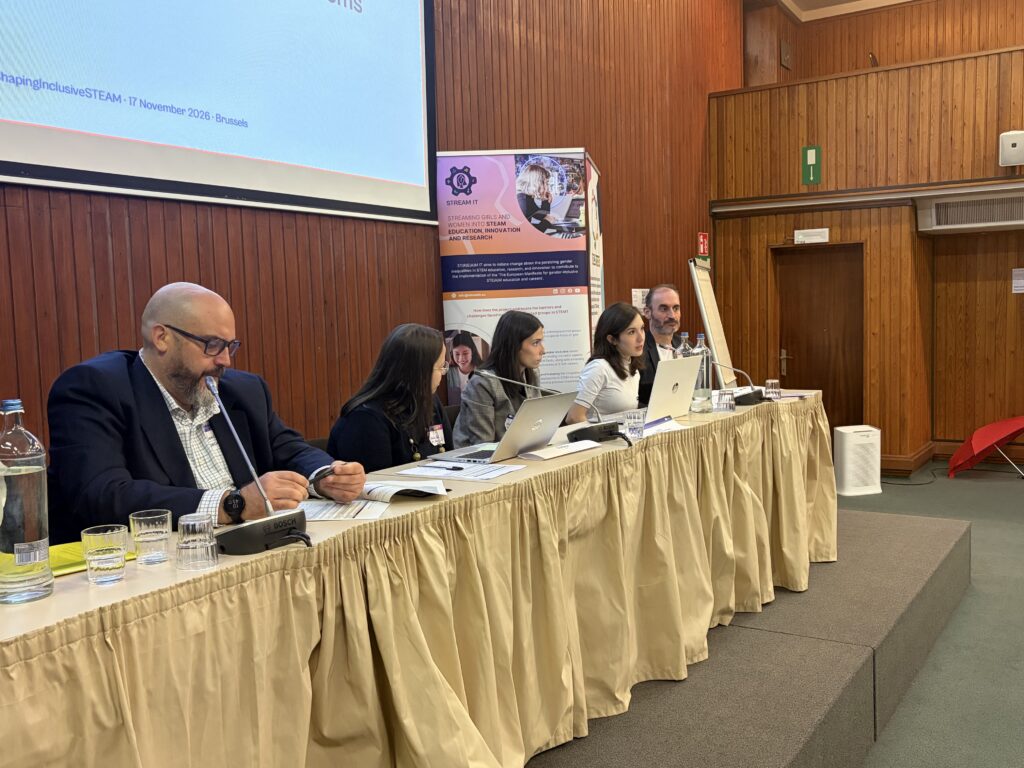
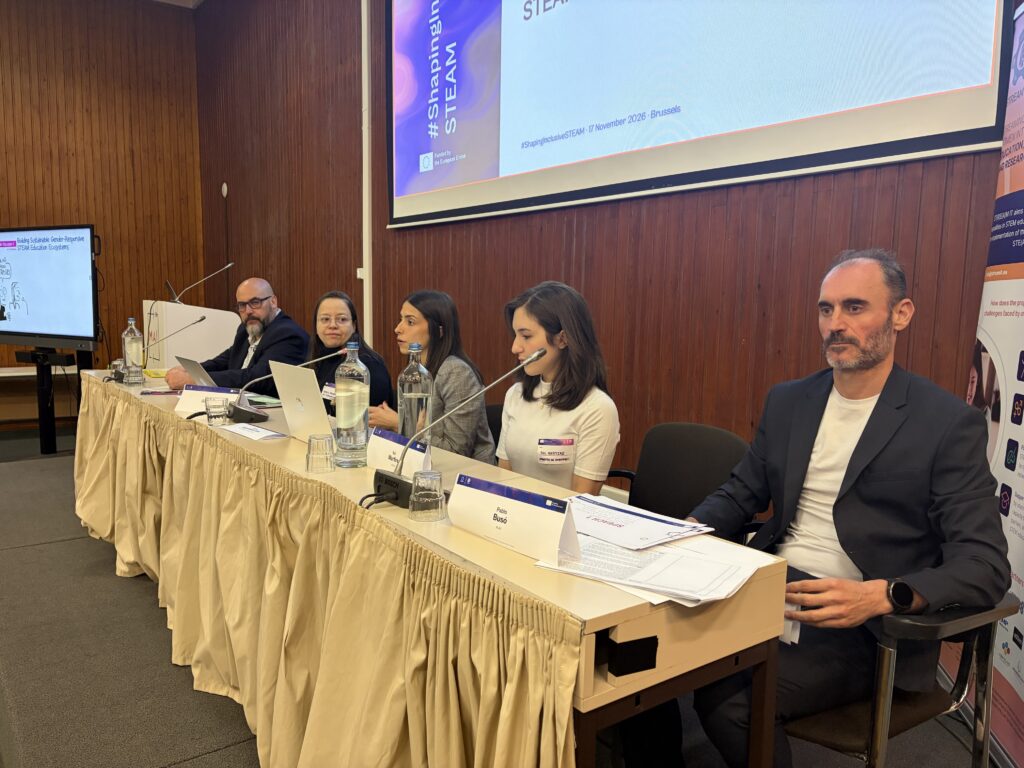
Workshops: Turning Shared Challenges into Practical Questions
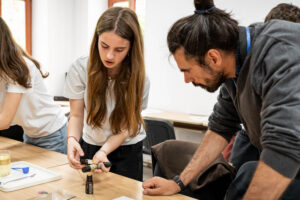
The afternoon’s participatory workshops gave attendees space to move beyond presentations and consider what implementation could look like. In a STEAMbrace-led session on the STEAM Alliance for Europe and a joint communication strategy, participants explored the needs of a sustainable European ecosystem. The discussion framework covered how schools, universities, companies, researchers and policymakers can remain connected; what governance and coordination could support that relationship; and how communication and engagement might keep partners involved after individual projects finish. The underlying challenge was not simply to create a network, but to make it valuable for the people expected to use it. This long-term perspective is essential if inclusive STEAM approaches are to spread across institutions and borders.
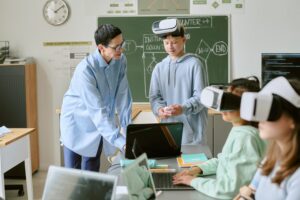
A second STEAMbrace workshop focused on digital assets and tools to support teachers and scale educational practice. Its scope included the STEAM Digital Hub, STEAM Week experiences, the activities catalogue, AI-supported tools, virtual-reality activities and implementation guidelines. Participants were invited to consider how resources developed within a European project can be found, adapted and incorporated into real teaching contexts. Questions of accessibility, teachers’ time, ease of use and relevance to different classrooms are crucial when moving from a promising resource to routine practice. The session therefore connected the availability of digital tools with the broader goal of inclusive STEAM learning that can reach students with different interests and circumstances.
Two STREAM IT-led workshops complemented these discussions. “What Happens in the Classroom?” focused on inequalities and the role of STEAM approaches in addressing barriers linked to gender and diversity. It provided a setting to consider where unequal expectations emerge, what educators can observe in everyday learning and which practical approaches may foster more equitable participation. “Shaping the Future of STEAM” examined European collaboration, networks and joint action, encouraging reflection on how organisations can build partnerships, share learning and develop common initiatives. Together, the four themes connected classroom realities with resources, institutional cooperation and policy-oriented thinking. These sessions also reflected the event’s wider emphasis on building connections across European education communities beyond the two organising projects.
From Workshop Discussions to Collective Reflection
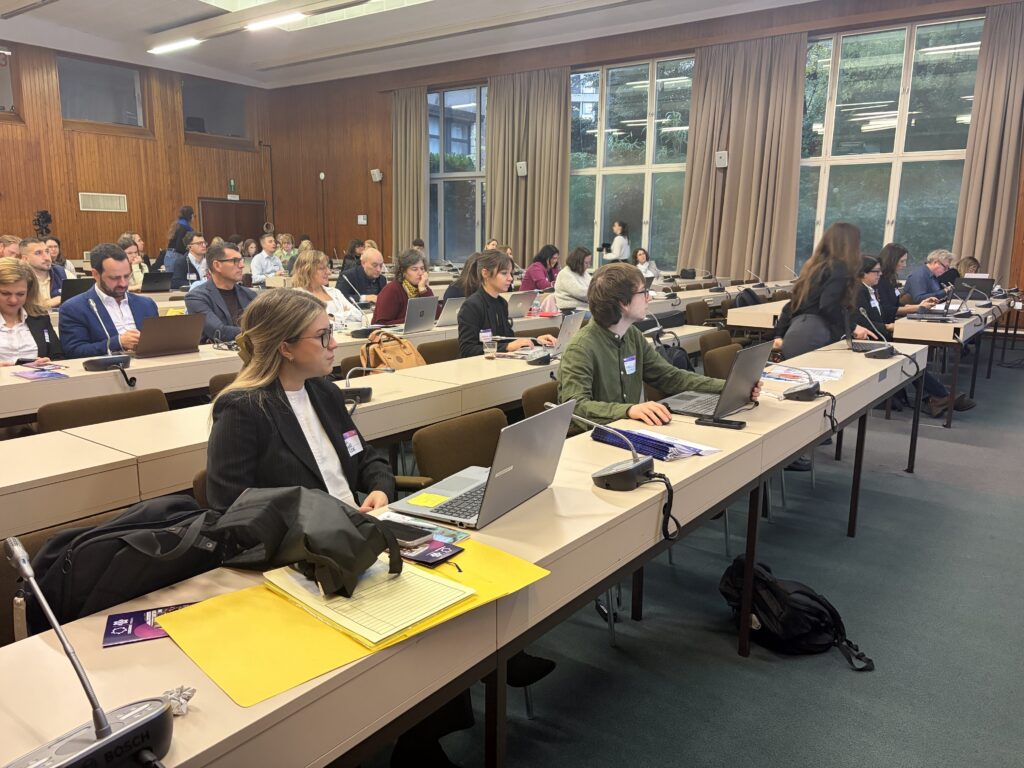
Following the small-group sessions, participants returned to a plenary discussion to bring the different strands of the day together. Reporting back created an opportunity to compare priorities arising from the workshops: supporting educators, addressing barriers within learning environments, making resources easier to use and establishing ways for organisations to collaborate. These themes are closely linked, because tools alone cannot remove systemic inequalities, while policy ambitions need practical routes into classrooms. The plenary helped position inclusive STEAM as an ongoing process of testing, listening, adapting and working across professional boundaries.
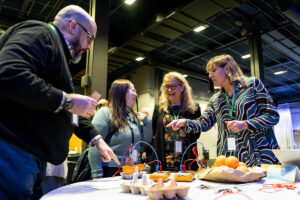
The closing session turned attention to the road ahead, including reflections from Giuseppe Mossuti of European Schoolnet. The event also offered space for informal exchanges and networking among those attending in Brussels, extending the conversations beyond the formal programme. With more than 200 participants across the in-person and online formats, #ShapingInclusiveSTEAM demonstrated the relevance of connecting different parts of the European education community. Its value lay not only in the ideas discussed, but also in bringing together people able to carry conversations about inclusive STEAM into their own organisations and networks.
Building on the Momentum Beyond Brussels
For the STEAMbrace consortium, the meeting represented a significant milestone after thre e years of research, educational practice, experimentation and international partnership. The work shared in Brussels reflected the contributions of people across the consortium, from those who developed activities and gathered evidence to those who supported dissemination, collaboration and engagement. The event offered a chance to recognise that collective effort while considering what can remain useful after the project period. Continued access to resources, opportunities to exchange experiences and sustained participation in the STEAM Alliance for Europe are all relevant to that next stage of inclusive STEAM education.
For STREAM IT, the emphasis on policy recommendations and the gender-inclusive STEAM roadmap offers a complementary route from evidence to institutional action. The joint event highlighted how these different contributions can reinforce one another without treating the projects’ findings as interchangeable. Our thanks go to the speakers, moderators, workshop facilitators, consortium partners and everyone who joined in Brussels or online. The challenge now is to maintain the connections made, support educators with practical knowledge and keep collaborating so that inclusive STEAM education becomes a durable part of Europe’s learning landscape.